 Acatenango Volcano Tours
Where to Stay in Antigua Before the Acatenango Hike
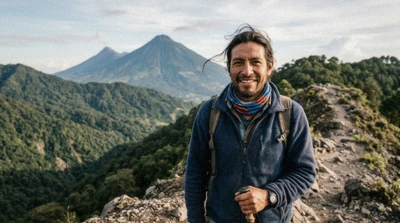
Where to stay in Antigua before the Acatenango hike comes down to one practical question: how close do you want to be to Parque Central on the morning your pickup arrives. I've watched hikers sprint three blocks with a half-packed bag because their guesthouse sat past Santa Ana and the shuttle wouldn't wait, and I've watched other groups walk out their front door two minutes before 8:00 AM with nothing to think about. This is not a hotel review post; I'm not going to invent a name or a price I haven't personally verified. It's the logistics behind the choice: which part of town works, how many nights to actually book, and what to ask a front desk before you hand over a card.
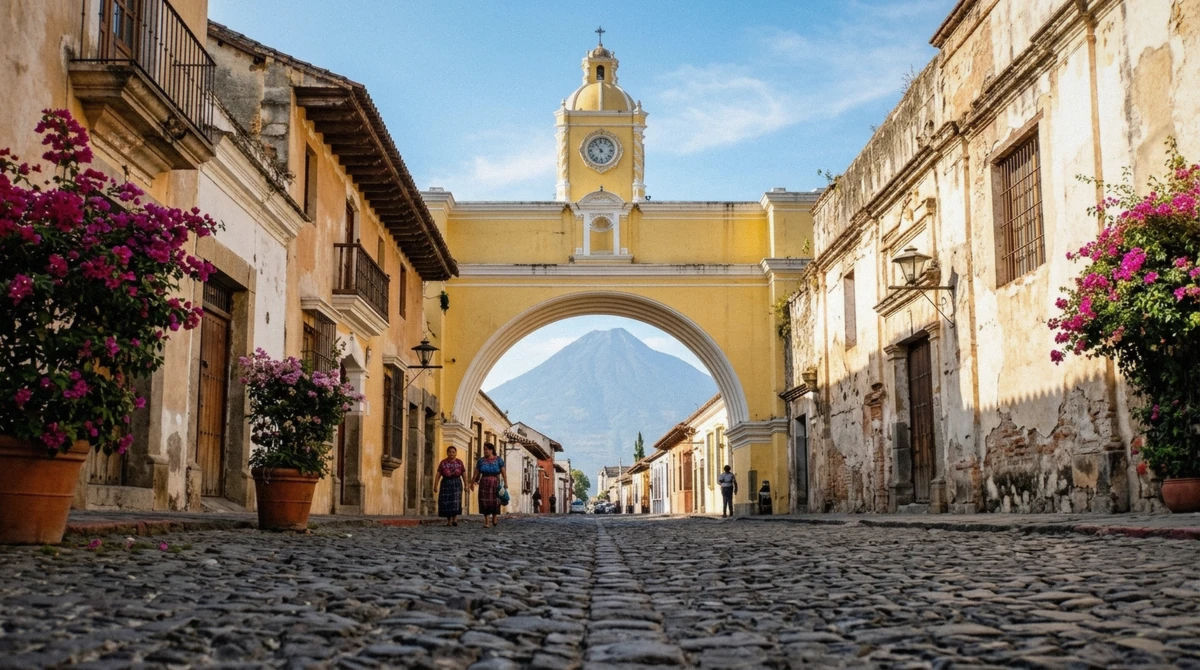
The Santa Catalina Arch, a short walk from most operator offices in the historic centre.
Quick answer
Base yourself in Antigua's historic centre, within a few blocks of Parque Central, where nearly every operator office sits and where pickups run 8:00 to 10:00 AM. Barrio de La Concepción is the quieter runner-up, still an easy walk in; Santa Ana works if you have a car or don't mind a short taxi to the meeting point.
Key takeaways
- Best area: the historic centre around Parque Central, walking distance to pickups, rental shops and the market
- Runner-up: Barrio de La Concepción, quieter streets, still central enough to walk to most offices
- Pickups run 8:00 to 10:00 AM from operator offices clustered near Parque Central and the Santa Catalina Arch
- Book at least two nights: one to arrive and acclimatise at Antigua's 1,530 m before the hike, one to recover after
- Most hotels and hostels store your big bag free while you're on the mountain
- Pickups all start in town, so book your room near the centre and compare the Acatenango overnights leaving from Antigua by departure time
How Many Nights Before and After
Book at least one night in Antigua before the hike and one after, and treat a third as insurance rather than a luxury. Antigua sits at 1,530 m, which is the cheapest acclimatisation available before a night at 3,750 m on the mountain, so a single evening in town does real work for your lungs even if you feel fine at sea level the day before. Flying in and heading straight to a trailhead the same morning is possible, and some tours do pick up hikers on arrival day, but it stacks jet lag, altitude and a hard climb into one unforgiving stretch.
| Nights in Antigua | Before the hike | After the hike | Why |
|---|---|---|---|
| 1 before, 1 after (minimum) | Arrive, unpack, sleep | Shower, sleep, recover | Covers the basics; no buffer if a flight or a hike date shifts |
| 2 before, 1 after (recommended) | One day to acclimatise and rent gear | One day to recover before flying out | Gives your body a day at 1,530 m before the climb |
| 2 before, 2 after (comfortable) | Acclimatise, gear check, spare day | Recover, see the town properly, spare day | Absorbs a weather delay or a genuinely wrecked first day back |
The night you come back matters more than most people plan for. You'll be back in Antigua in the early afternoon on day two, filthy from the sand and the smoke from Fuego, and most travelers want nothing more ambitious than a shower and an early dinner. Don't book a tight connecting flight the same evening; give yourself the recovery night before you're anywhere near an airport.
A weather buffer is worth building in separately from the recovery night. Rainy-season cloud can push a hike date back a day if an operator reschedules for safety, and a single fixed hotel night with no flexibility on either side turns a one-day delay into a missed flight. If you're traveling in the rainy season between May and October, add one extra unallocated night to your Antigua stay rather than booking every night to a fixed plan.
Which Part of Antigua to Book
Antigua is small enough to cross on foot in twenty minutes, but not every neighborhood puts you equally close to where the hike actually starts your day.
| Area | Best for | Distance to pickup zone |
|---|---|---|
| Historic centre (near Parque Central) | First-timers, anyone without a car, early pickups | Walking distance, most offices within a few blocks |
| Barrio de La Concepción | Travelers who want quieter streets but still central | Short walk, 5 to 10 minutes to most operator offices |
| Santa Ana | Travelers with a car or booking a hotel pickup | Farther out; a taxi to the meeting point is the practical option |
The historic centre wins on pure convenience. Staying within a few blocks of Parque Central and the Santa Catalina Arch means the operator office, the gear rental shops and the market are all a short walk away, and an 8:00 AM pickup doesn't require budgeting extra time for a taxi that may or may not show up promptly. It's also the busiest and loudest part of town, with traffic and street noise picking up well before most people want to be awake.
Barrio de La Concepción is the trade worth knowing about: quieter at night, still an easy walk to the centre, and a reasonable compromise if you'd rather not sleep two blocks from the main square. Santa Ana sits farther out and genuinely needs a car or a short taxi ride to reach the pickup zone, which is fine if you're driving yourself around Guatemala already but adds friction if you're relying on foot traffic and shuttles for the rest of your trip.
Wherever you land, the trailhead itself is about 30 km from Antigua, so the neighborhood you choose inside town changes your actual pickup time by minutes, not hours. The full route from Antigua to the trailhead, including the drive through Ciudad Vieja and Alotenango, is covered in how to get to Acatenango. The bigger factor is whether you can walk to the meeting point at all.
Safety is not meaningfully different between the three areas during daylight hours; all three sit within Antigua's well-walked tourist core. The practical difference is after dark and before sunrise, when the historic centre has more foot traffic and better-lit streets than the quieter edges of La Concepción or Santa Ana, which matters for a 4:00 AM alarm the morning of your pickup if you're walking rather than being collected at the door.
Hotel, Guesthouse or Homestay
Antigua runs on small, family-run guesthouses as much as it does on hotels, and that's worth knowing before you assume a chain-style property is the norm. Colonial-era buildings converted into a handful of rooms around a courtyard are common in the historic centre and in Barrio de La Concepción, and they tend to be more flexible about luggage storage and early check-in than a larger property would be, simply because the same person who checks you in is often the one who unlocks a storage room for you two days later. That flexibility is worth asking about directly rather than assuming either way, since it varies property to property more than it does by neighborhood.
What to Ask Before You Book
A short list of questions to a front desk or a host tells you more than any star rating. Ask whether the property offers free luggage storage while you're on the mountain, since you'll want to leave most of what you're carrying behind rather than hauling a full suitcase up a volcano. Ask about early check-in if you're arriving the same morning as your hike, and about late or flexible breakfast timing if your pickup falls before the usual serving window.
Ask whether gear rental is nearby, since most shops cluster within a few blocks of the centre rather than being spread evenly across town, and check the full list of what to bring against the packing list before you rent anything twice. And ask plainly what check-in and check-out times are, because the standard in Antigua is check-in around 15:00 and check-out around 11:00, and that gap matters more on hike days than on an ordinary sightseeing day.
Booking Timing by Season
Antigua doesn't run out of rooms the way a beach town does in high season, but the closest hotels to Parque Central fill first around the same dates the hike itself sells out.
| Season | How far ahead to book | Why |
|---|---|---|
| December to April (dry season) | 1 to 3 weeks | Peak hiking months; central rooms and hike dates both fill early |
| Semana Santa (Easter week) | 3 to 4 weeks | Antigua's biggest event of the year; the whole town books out |
| June to August | 1 to 2 weeks | Second peak window for the hike itself |
| May, September, October (rainy season) | A few days to a week | Quietest months for both rooms and the trail |
Semana Santa deserves the earliest booking on this list, and not just for the hike. It's the one week a year Antigua genuinely fills up, hotels included, well before the hike dates themselves become the constraint.
What to Do With Your Big Bag
You don't carry a full suitcase up Acatenango, so the practical question is where it sits for two days. Most hotels and hostels in Antigua store your big bag free while you hike, and it's worth confirming this at check-in rather than assuming it. Several operators also hold luggage in their own office overnight, useful if your accommodation doesn't have secure storage or if you're switching hotels between the night before and the night after.
Paid lockers exist near the centre too, a fallback if neither of those options works for your itinerary. Whichever route you pick, confirm it's actually free before you book; some properties quietly charge for storage during your absence, and it's a cheap thing to check in advance.
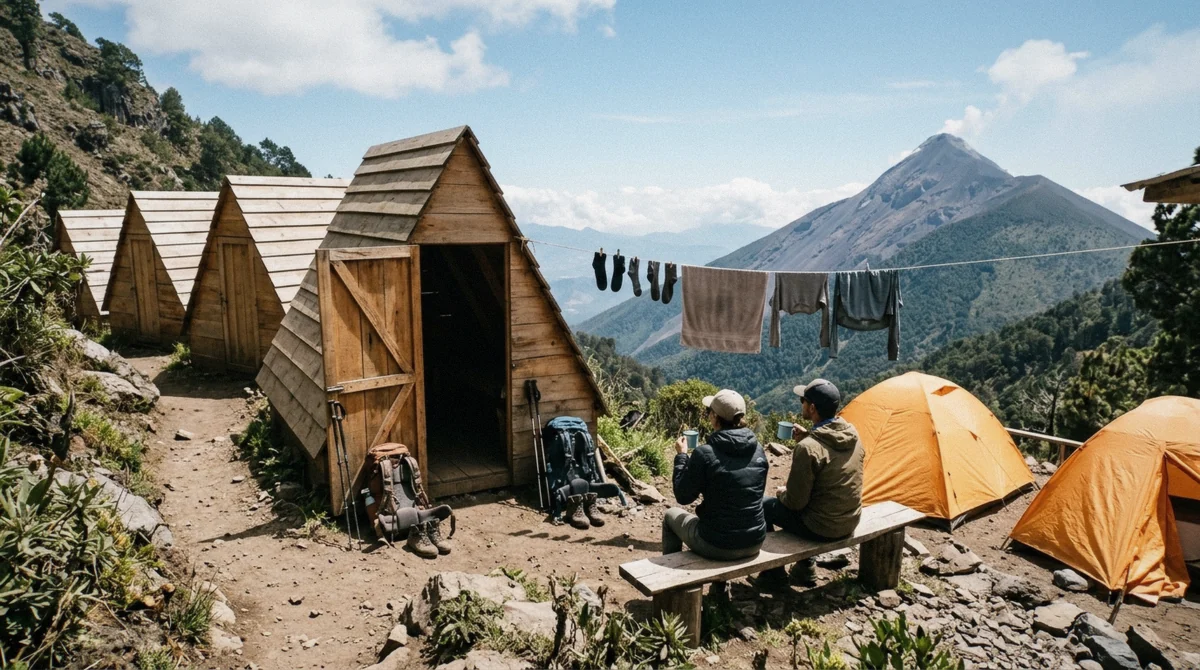
Camp during the day. You'll be back in Antigua, filthy and ready for a shower, by the early afternoon of day two.
The Night After the Hike
You come back down in the early afternoon on day two, and the state you're in shapes what that night should look like. Expect volcanic dust in your hair, smoke smell on every layer you wore, and legs that would rather sit than sightsee. A hotel with a hot shower and a genuinely comfortable bed matters more this specific night than it does on any other night of a Guatemala trip. If your check-in time is 15:00 and you're back by early afternoon, that timing usually lines up without a wait, but confirm it rather than assume, especially if your original booking was for the night before the hike and you're extending by a day.
Don't schedule anything ambitious for that evening. A short walk to a nearby restaurant is realistic; a long dinner across town usually isn't, not because Antigua is unsafe but because most people are simply spent. If your flight out is the next morning, staying central pays off one more time here: less distance to cover with a body that's still recovering, and no need to negotiate a shuttle timetable on top of everything else.
Some travelers plan a rest day into their Antigua time specifically for this reason, and it's a reasonable call. A morning spent doing nothing more than coffee at a café near Parque Central, followed by an early night, tends to do more for how someone remembers the trip than pushing straight into the next destination on tired legs.
Where to Base Yourself, by Traveller Type
If First time in Antigua, no car, early pickup
Historic centre, near Parque Central. Everything is a walk away and there's no taxi timing to worry about.
If Want quieter streets but still walkable
Barrio de La Concepción. A short walk to the centre without sleeping on top of the main square.
If Driving yourself around Guatemala
Santa Ana works fine; you'll drive or taxi to the pickup point regardless of where you sleep.
If Arriving the same morning as your hike
Book the centre and ask about early check-in and luggage storage before you land, not after.
If Only one night in Antigua total
Stay central. A short walk to pickup is the single thing that matters most on that tight a schedule.
Where I'd Stay
I'd take the historic centre over anywhere quieter, and it isn't close. The extra street noise near Parque Central is a real trade-off, but losing five minutes of sleep to traffic beats losing twenty minutes of a pickup morning to a taxi that's running late through cobblestone streets you don't know. If I were staying three nights instead of two, I'd move to Barrio de La Concepción for the nights that aren't tour-adjacent and shift closer to the centre for the night before pickup.
That's the honest calculation: convenience on the mornings that matter, quiet on the nights that don't. If you're still weighing whether the climb is worth planning a base around at all, our full worth-it breakdown covers the honest case either way, and the complete lineup of Acatenango overnights leaving from Antigua is where I'd start once your dates are set.
Questions About Where to Stay Before the Hike
Do I need to stay right in the centre of Antigua?
No, but it's the easiest option. Barrio de La Concepción is close enough to walk, and Santa Ana works with a car or a short taxi. Staying farther out mostly costs you convenience on pickup morning, not the ability to do the hike at all.
How many nights should I stay in Antigua before the hike?
At least one night before and one after; two before is safer if you want a real day to acclimatise at Antigua's 1,530 m rather than climbing straight off a flight.
Can I hike Acatenango straight after landing in Guatemala?
Some tours will pick you up the same day, but it stacks travel fatigue on top of the climb with zero acclimatisation. A single night in Antigua first makes a real difference at 3,750 m.
What do I do with my luggage during the hike?
Most hotels and hostels store your bag free while you're on the mountain. Several operators also hold luggage in their office overnight. Confirm it's free before you book rather than assuming.
What time do Acatenango tours pick up in Antigua?
Between 8:00 and 10:00 AM, from operator offices mostly clustered within a few blocks of Parque Central.
Where do I acclimatise before Acatenango?
Antigua itself, at 1,530 m. It's the cheapest and most convenient acclimatisation stop before a night at 3,750 m on the mountain, and it doubles as your base for the hike anyway.
Is Antigua's historic centre noisy at night?
Yes, more than the quieter neighborhoods. Traffic and foot traffic near Parque Central pick up early too, which some hikers prefer for an easy walk to pickup and others find is a fair trade against a quieter street farther out.
None of this changes where the hike itself takes you, but it decides how smooth the two mornings around it feel. Pick an area that matches how you're getting to the pickup point, confirm luggage storage before you hand over a bag you won't see for a day and a half, and give yourself a real night to recover once you're back down. The mountain is the hard part.
Getting to it shouldn't be.